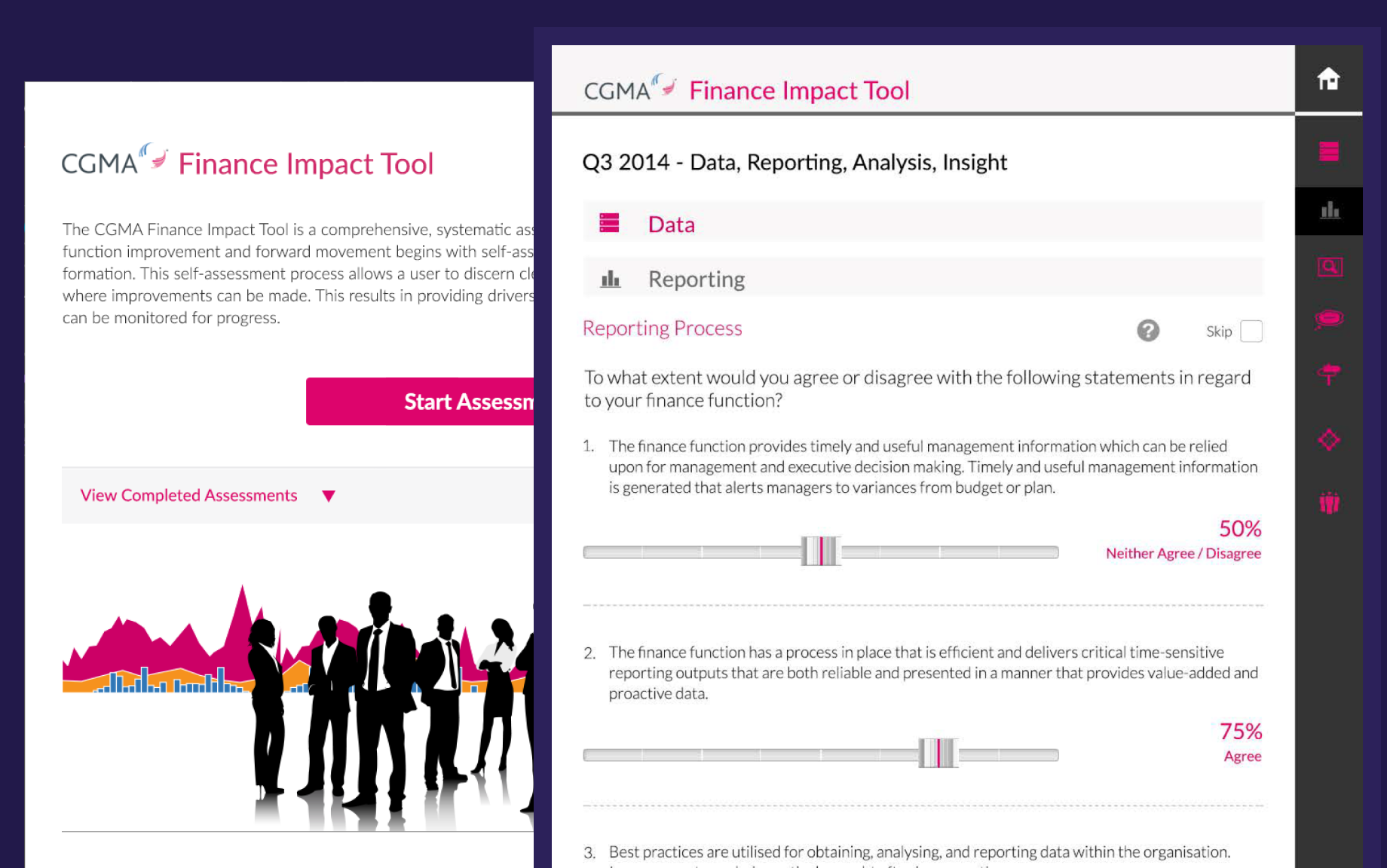
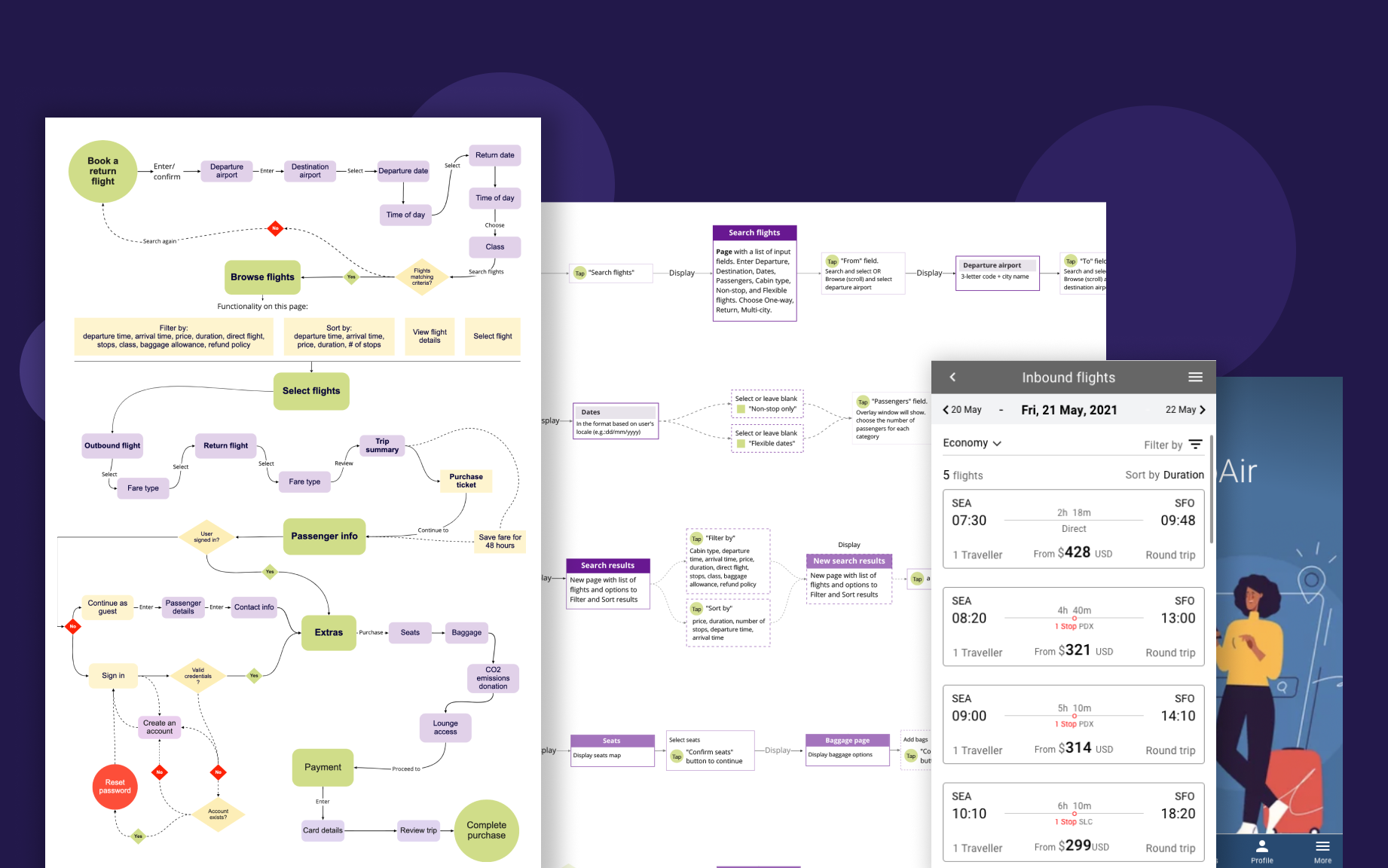
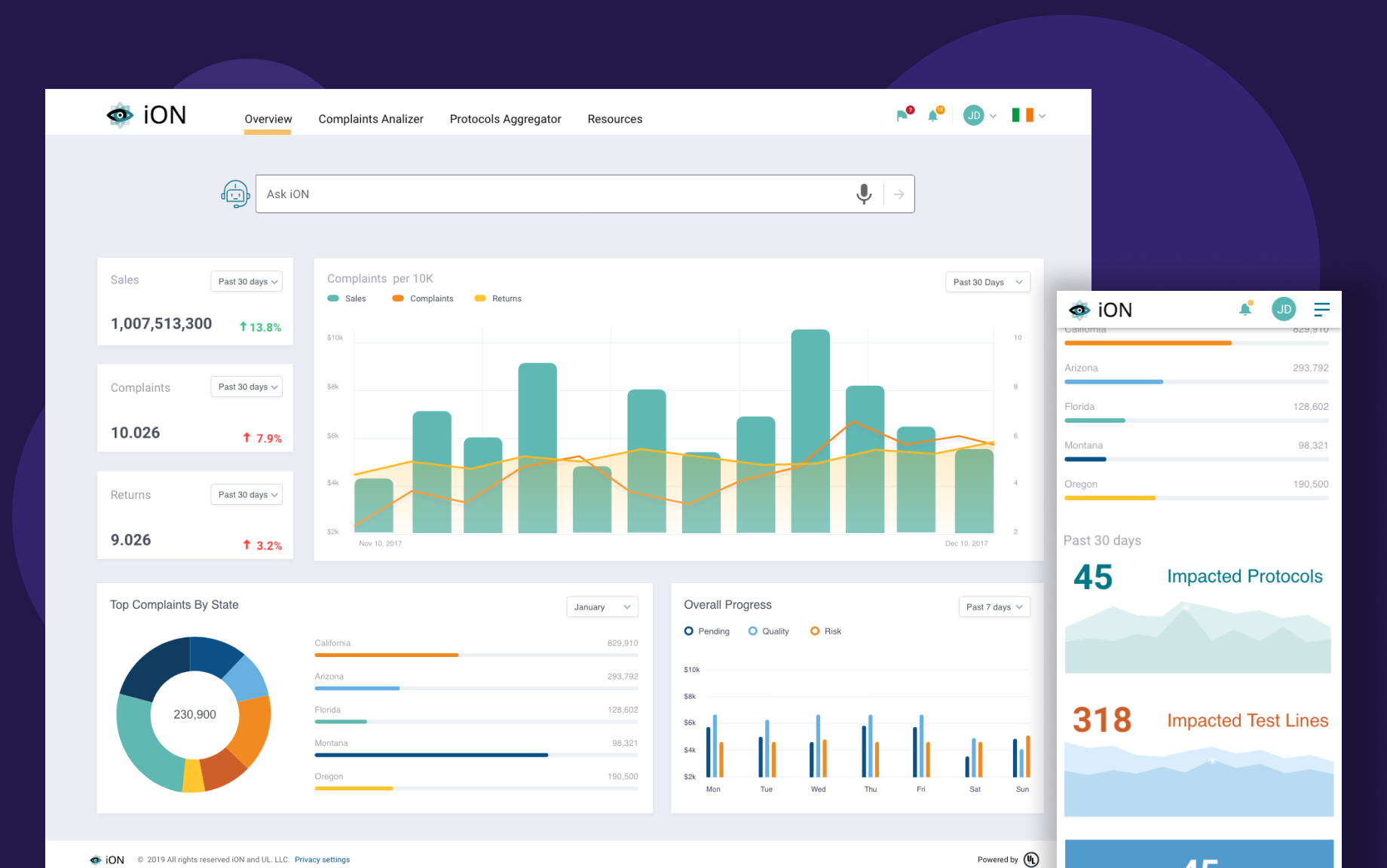
The UX process begins with empathy — gathering information from users, stakeholders, and subject matter experts through user interviews, surveys, landscape analysis, benchmarking, or direct observation. The goal is to build a grounded understanding of the context in which the product will be used and the problem to be solved.
From there, the focus shifts to synthesis: analyzing data to identify representative users, clarify their needs, and establish clear product objectives. Cross-functional alignment with key stakeholders begins at this stage and continues throughout the product's lifecycle.
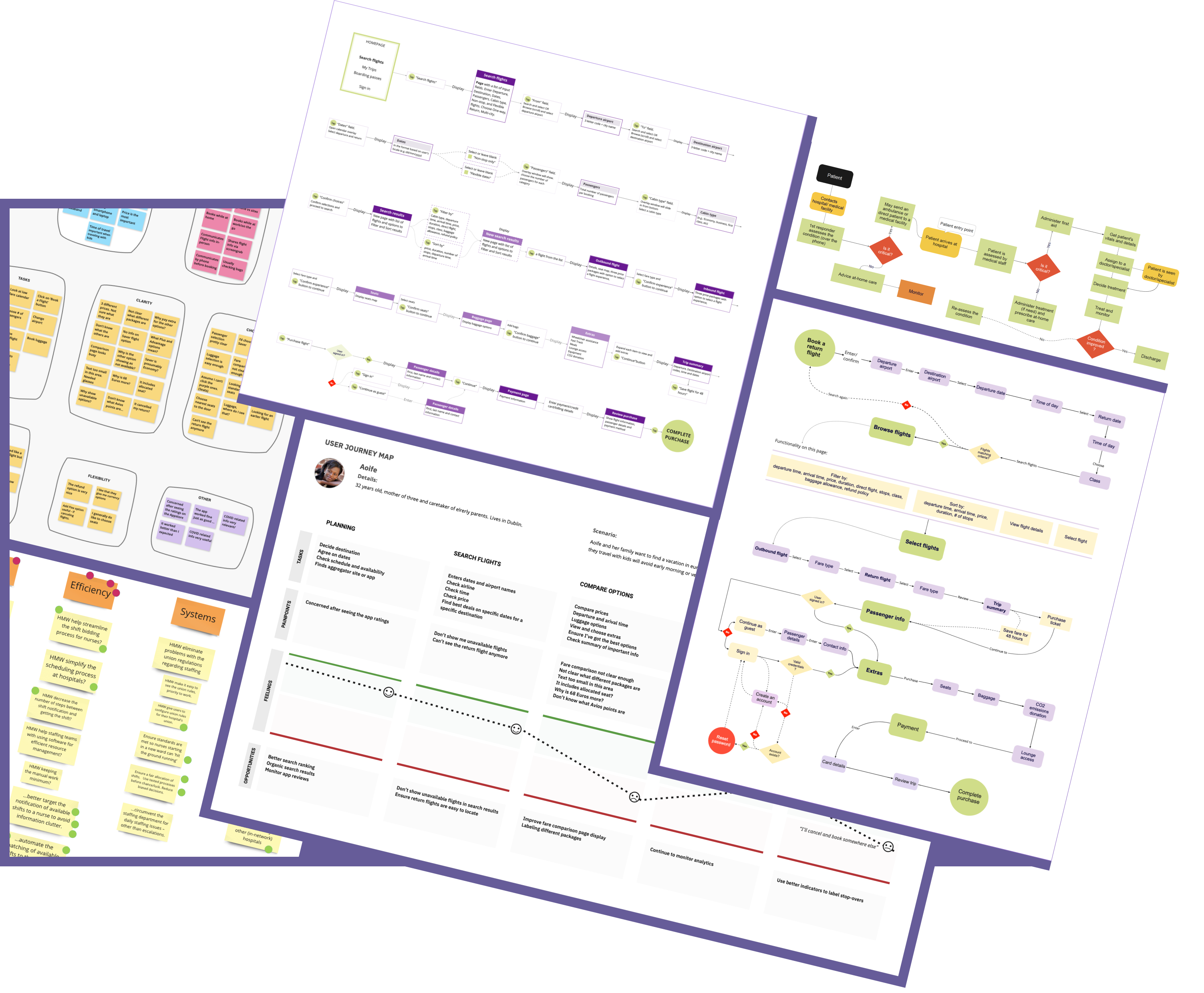
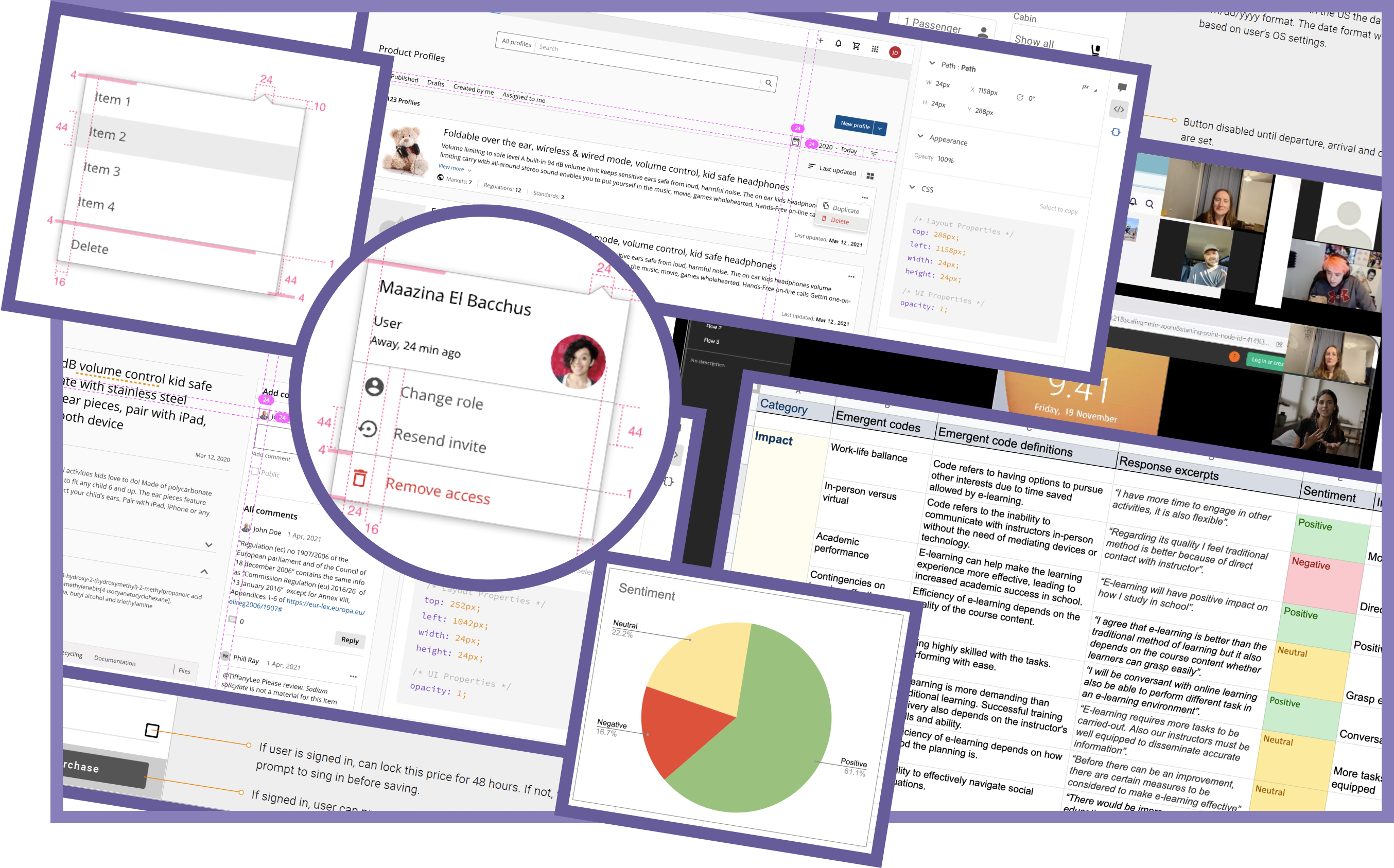
Once the top priority problems are identified, the focus shifts to ideating and investigating solutions. A Design Sprint may precede this step, enabling different perspectives and contributions from the group.
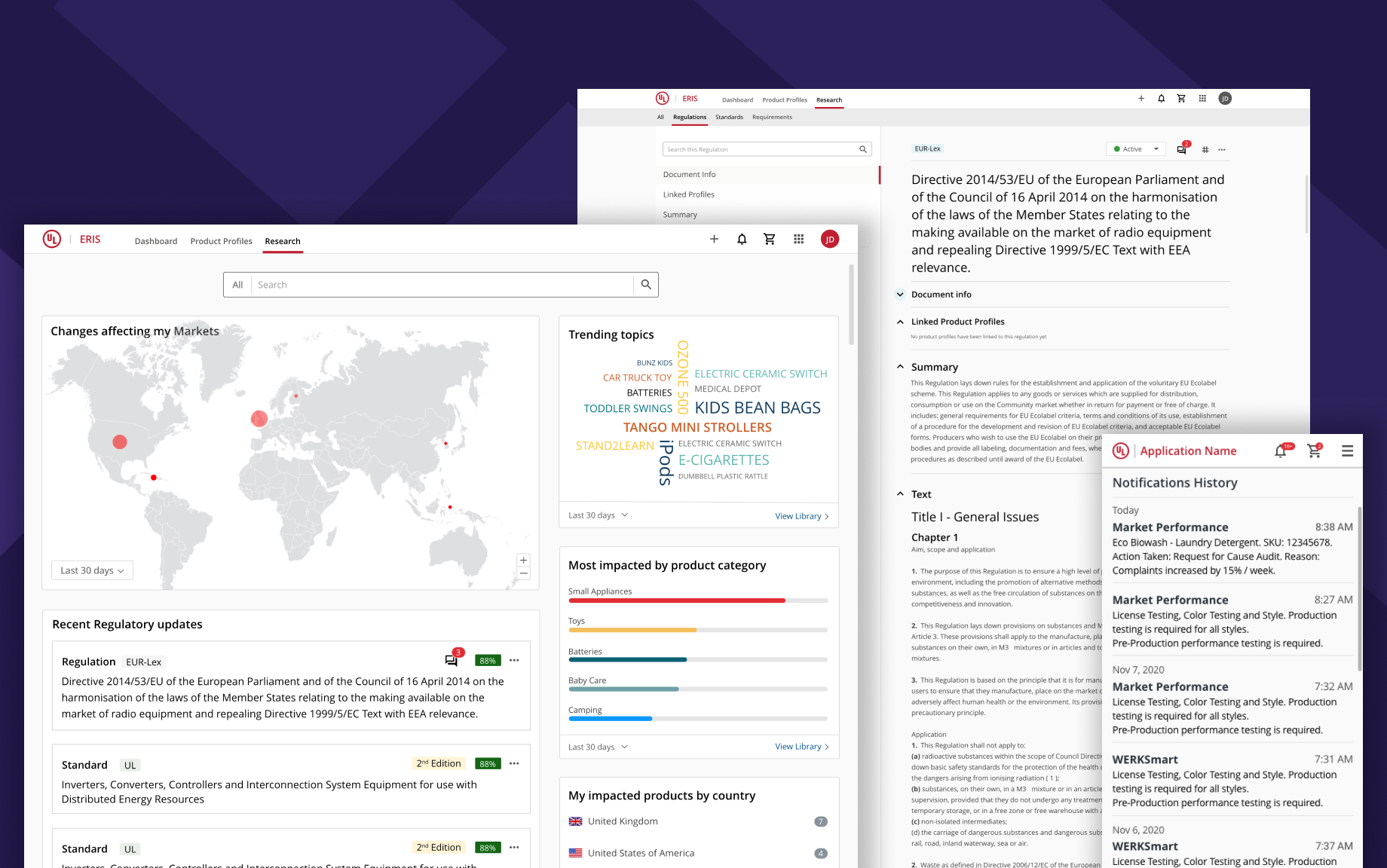
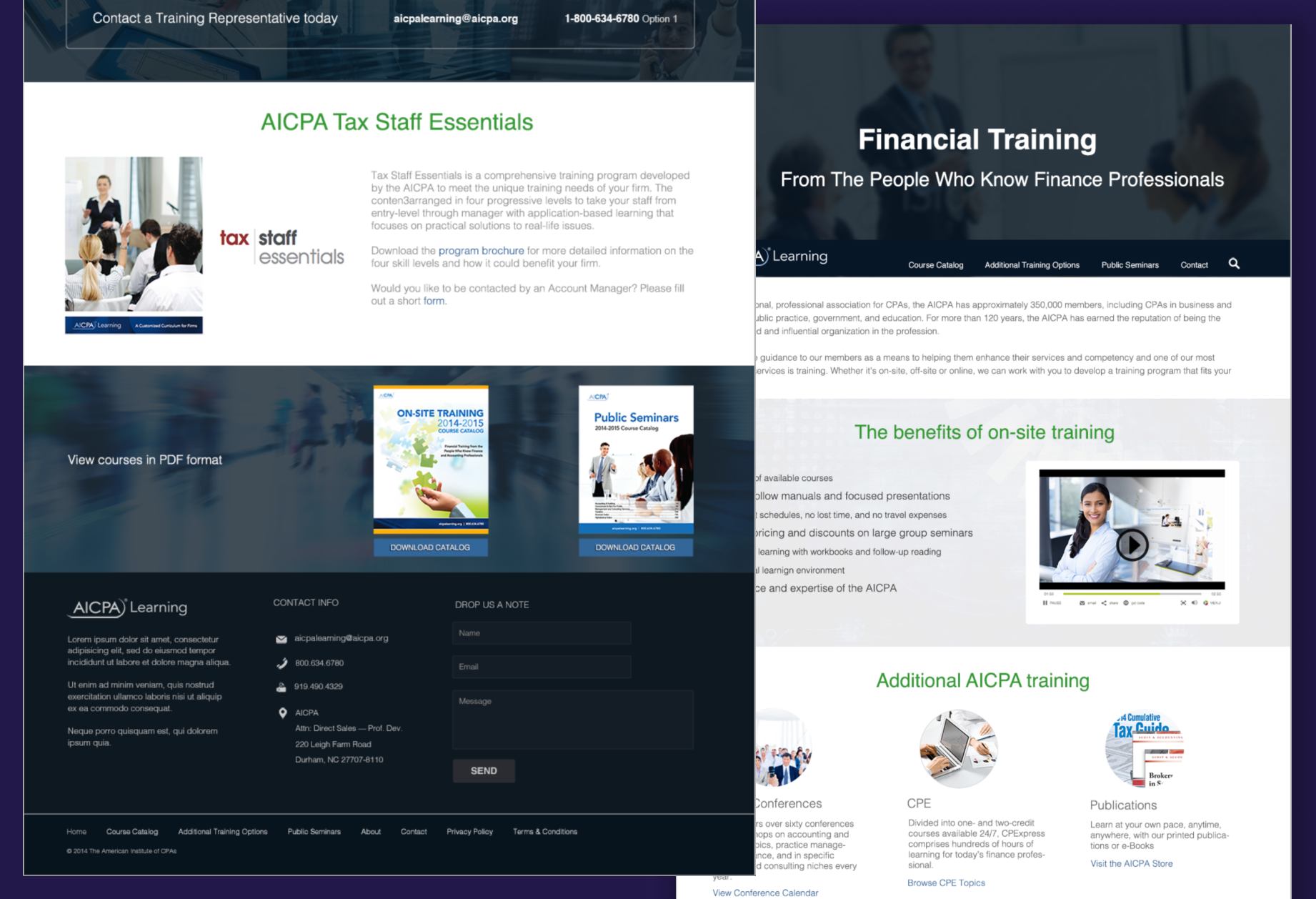
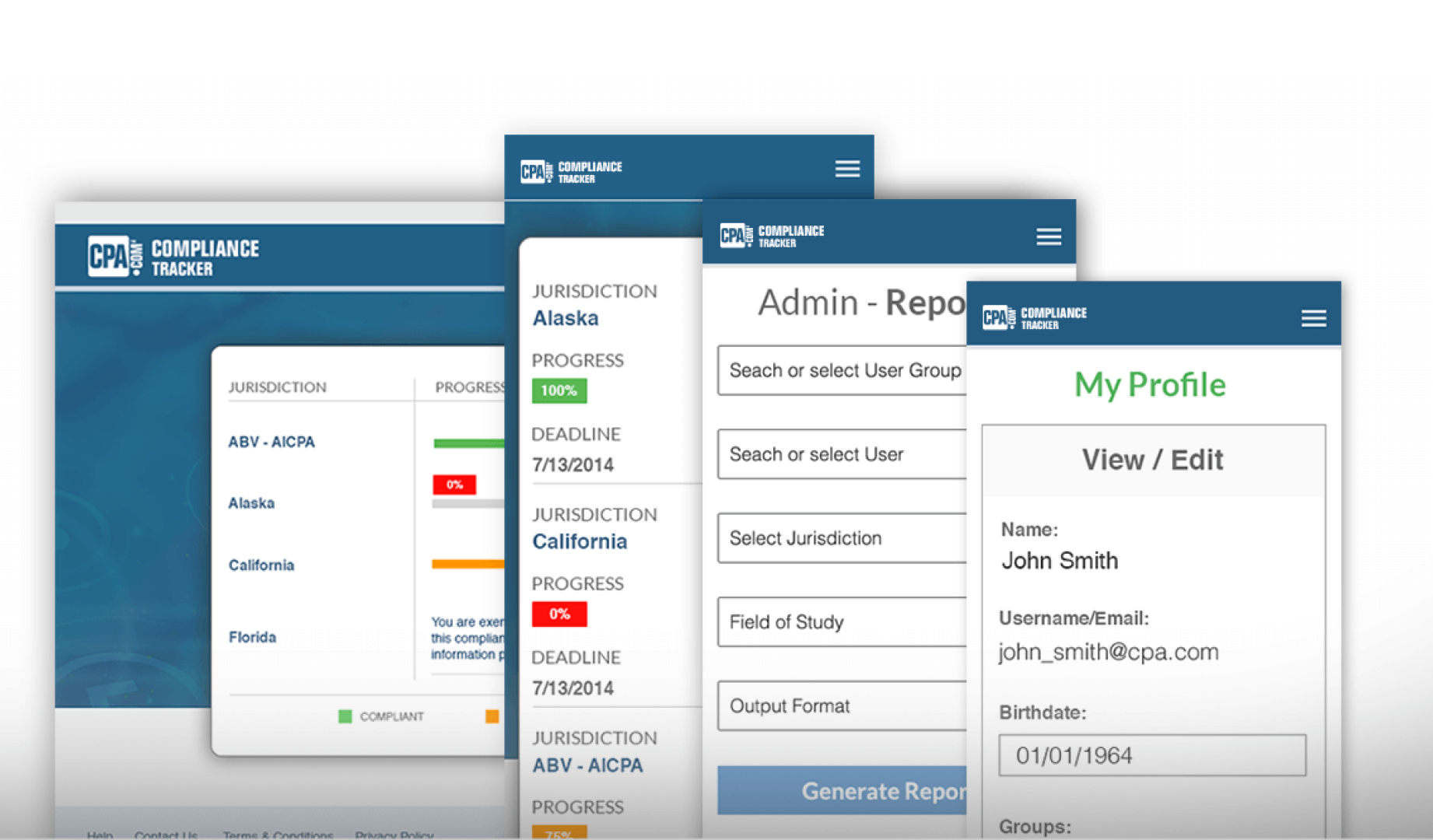
All input gathered is evaluated, and selected ideas are further developed through sketches and wireframes, followed by visual design and interactions to complete high-fidelity click-through prototypes. Final outputs — including style guides and assets — are shared with the development team, with ongoing communication and collaboration maintained throughout.
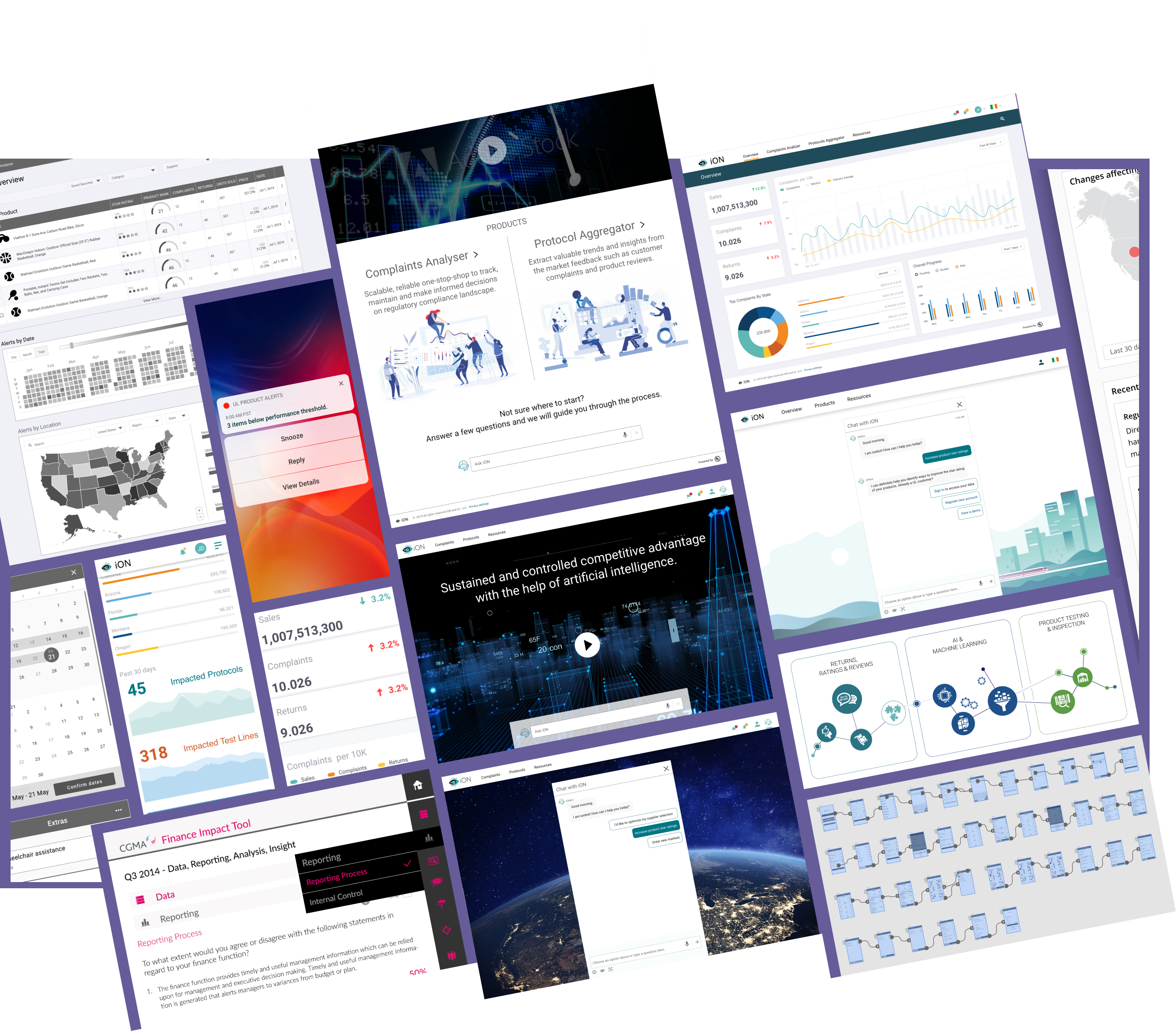
This stage focuses on validating solutions with real users — conducting user interviews, usability testing, UAT, and A/B testing to identify problems and usability issues. Findings are analyzed, documented, and used to drive iteration.
Development teams are supported throughout, with ongoing communication ensuring all display and functionality requirements are clearly understood and addressed.
Once launched, monitoring of the product continues to ensure it performs as intended and aligns with the envisioned solution. Results are measured and the solution is refined as needed.